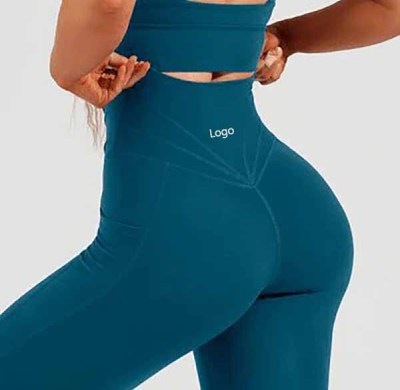
How to Audit a Sportswear Manufacturer Before You Place a Bulk PO
Shortlisting a factory and auditing it are two different jobs. Shortlisting is the framework for building your candidate list (see our sportswear manufacturer selection guide); a factory audit is the hard check you run before placing a bulk purchase order (PO) — verifying whether this sportswear manufacturer can actually deliver. What separates good bulk quality isn't how polished the audit report looks, but whether you verified three things: is the capacity real, is the QC system actually in place, and are the certifications checkable. We run dual plants in Dongguan + Guangxi, 500,000 pcs monthly capacity, 7–10 day sampling, FOB Shenzhen — these are facts that can be audited, and we welcome it.
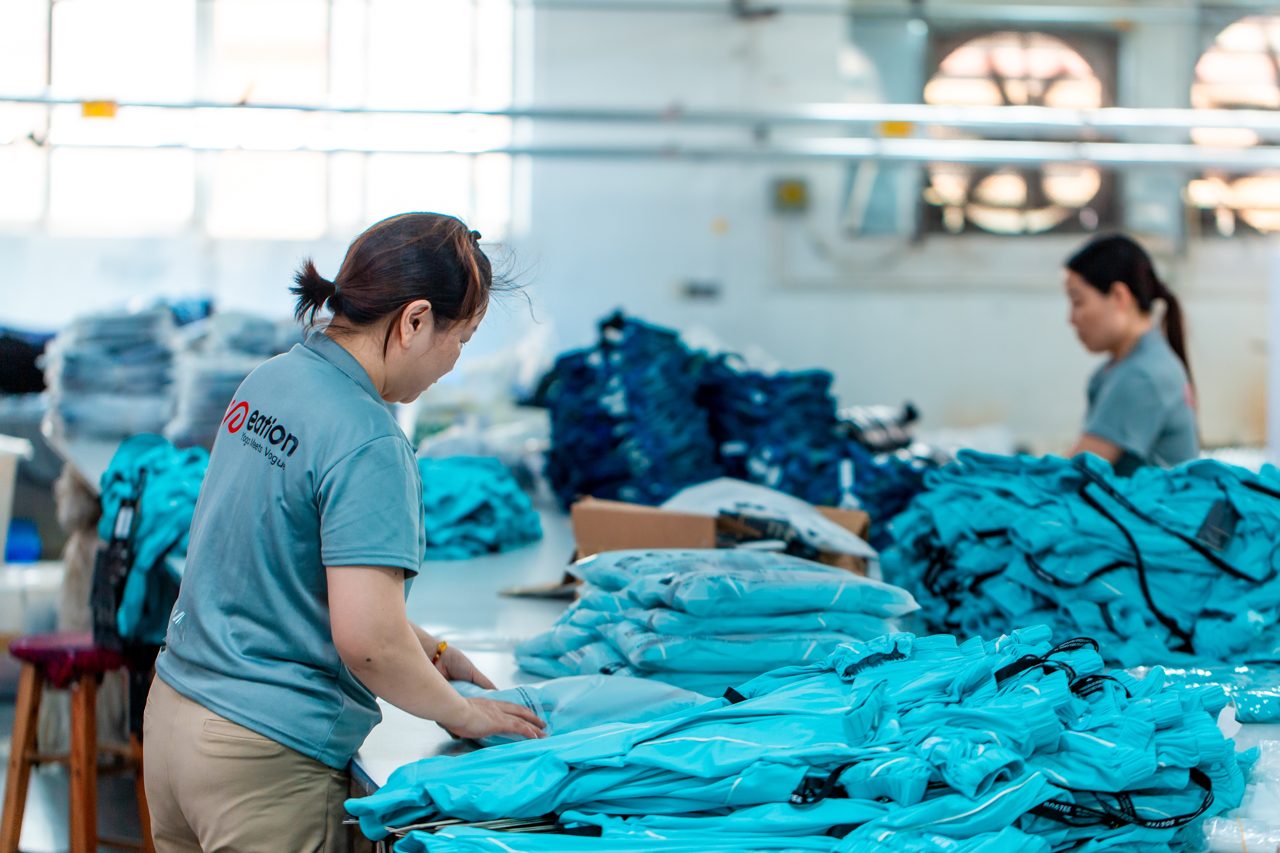
Too many brands treat "shortlisting" as the whole audit — they get a quote, glance at a few factory promo shots, and drop a PO. Then when thousands of units go wrong, they discover the capacity was inflated, the QC was a verbal promise, and the certificate was Photoshopped. This article does not cover how to build a shortlist (that's the selection guide); it covers how a brand's sourcing team should verify a sportswear manufacturer before the PO. Once this gate is cleared, move into our tech pack to bulk production flow — then you're safe.
1. What a factory audit actually checks: five dimensions, in order
Don't open with "do you have BSCI?" The order of a factory audit matters more than the checklist. A credible supplier verification walks from outside in, from hard to soft, in five steps: plant & capacity, then production line management, then QC system, then certifications & compliance, then reference clients. The first two answer "can they take the order," the middle two answer "will it be stable," and the last answers "is there proof." If any single item is empty, its discount must be priced into the quote.
2. Capacity verification: dual plants aren't a slogan, they're auditable numbers
Capacity is the first gate of any factory audit, and the easiest to inflate. When a sportswear manufacturer claims "500,000 pcs a month," what you verify is: is the plant owned or leased, do the machine counts add up, and is there a real production schedule behind the claim? We run dual plants in Dongguan + Guangxi, totaling 20,000㎡, 1,000+ staff (500+ per plant), 500,000 pcs monthly — these aren't brochure numbers, they're what we lay open during an audit: the site, the equipment list, the live work orders.
Why do dual plants matter? A single site hits power limits, hiring crunches, or order peaks, and your lead time hangs in the balance. Dual plants let us shift load internally — that's the structural question to ask during capacity verification, not just "are you big." Load-shifting ultimately lands on delivery stability; we've broken down the scheduling–lead-time relationship in our lead time guide.
3. Production line management: line balancing decides first-pass yield
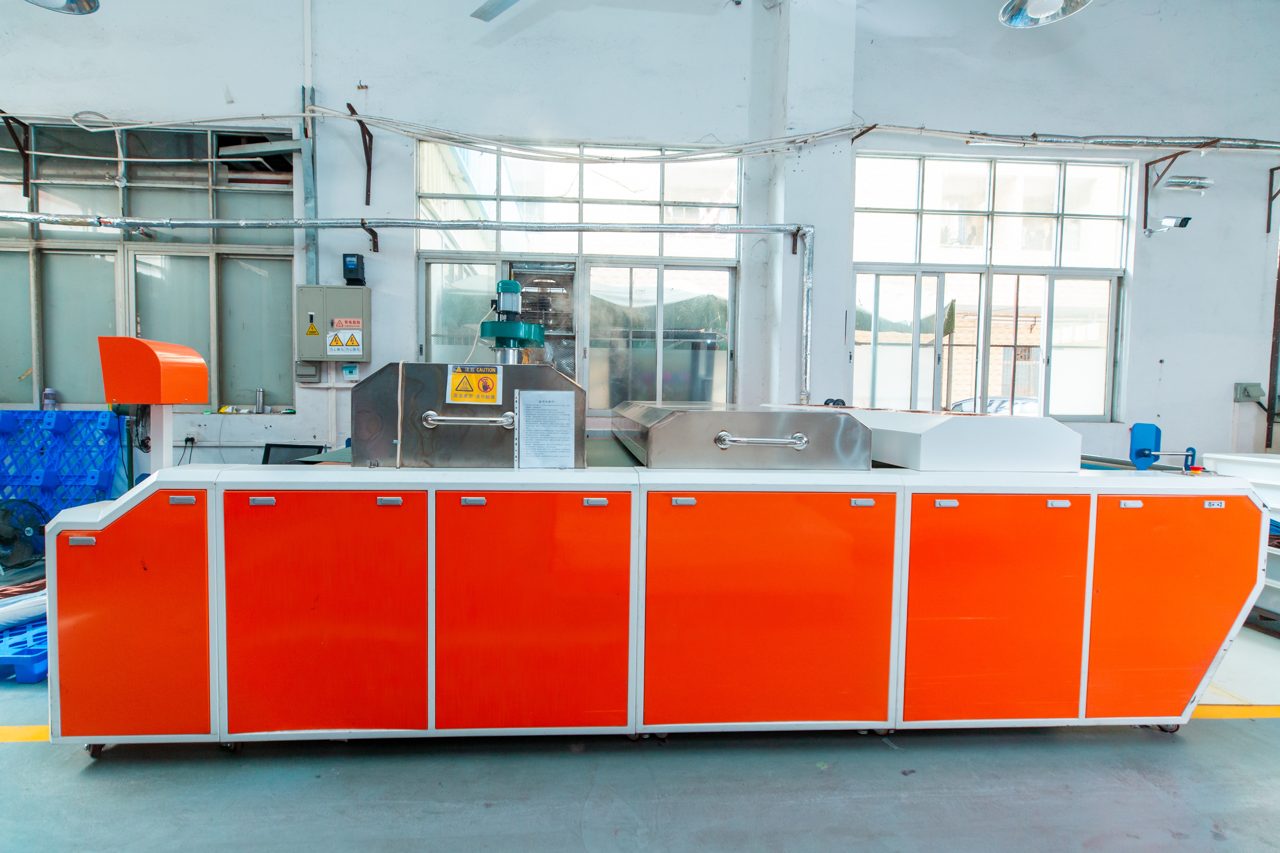
Having machines doesn't mean having management. When you audit the line, the core isn't "are the machines new" — it's line balancing: dozens of operations per garment assigned to stations, whether the takt time is consistent, whether the bottleneck station is watched. This is exactly what our production flow repeats: same dual-plant capacity, balanced lines deliver a stable extra slice, unbalanced lines mean rework and delay. Stand beside the line for half an hour during the audit — it beats ten pages of PPT.
4. QC system: don't only watch final — inline is what kills defects
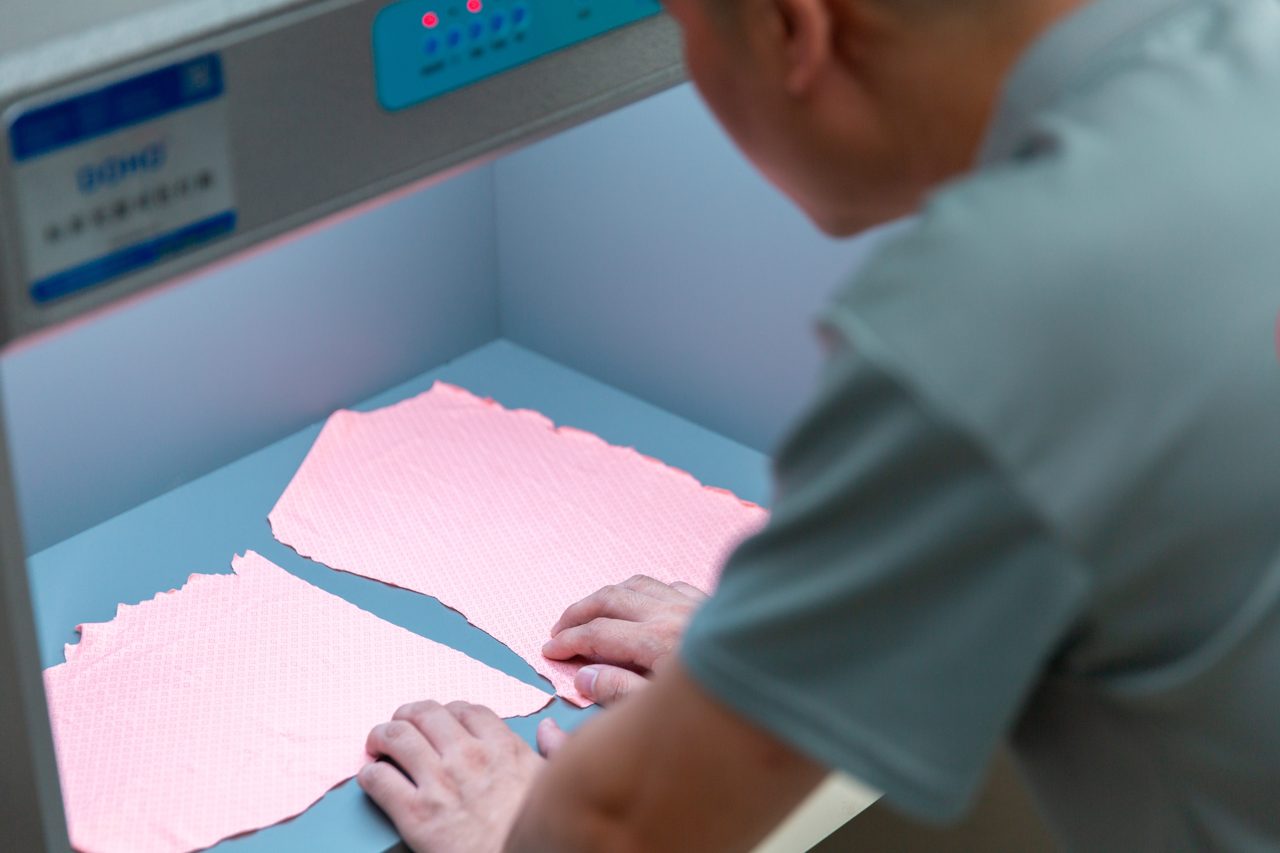
Most buyers ask "do you have QC" during a factory audit — which means they didn't ask anything. A real QC system has two stages: inline checks each station on the line, final inspects finished goods against AQL 2.5 before warehousing. What actually holds defect rates down is inline: problems caught at the first station, not piled up to thousands before discovery. During the audit, confirm: is the AQL level written into the contract, is inspection self-run or third-party, and what standard light source is used for color matching?
5. Certification checks: BSCI / GRS / OEKO-TEX / ISO 9001, verifiable or it doesn't count
Certifications are the easiest link in a factory audit to fake. We hold and actually pass only BSCI, GRS, OEKO-TEX, ISO 9001 — stated to scope, not exaggerated. What you do during the audit isn't "look at the certificate photo," it's: can the certificate number be found on the issuer's official site, what's the expiry date, and does the scope cover the category you're making? A responsible sportswear manufacturer will proactively give you the verification path, not just a scan. Our piece on print methods makes the same point — process parameters must be checkable, and so must certifications.
6. Development & sampling capability: can the 7–10 day promise be kept
Don't skip the development side during a factory audit. Whether a sportswear manufacturer can take your tech pack depends on the sample room and sampling capability — our tech pack guide lays out what development should deliver. Ask the concrete stuff during the audit: is the standard sampling cycle really 7–10 days, are prototypes split into Proto / SMS rounds, and who owns the grading tolerance (see our size & grading guide). "Fast" on paper is worthless — check that the sample room exists and that sampling work orders can be shown to you.
7. Reference clients & background checks: even anonymous ones must be falsifiable
Last item, reference clients. An honest factory gives you contactable references (with client consent), not a pile of模糊 "international big-brand" logos. We follow an anonymous-case rule: real, attributable cases get named; ones that can't be attributed stay anonymous, and we never invent brand names, order volumes, or client testimonials. During the audit you can ask for non-confidential shipping records, years of cooperation, and reorder rates — these beat "we've served XXX" by a mile. Our MOQ guide also notes that long-term reorder clients are the best proof of stable capacity.
8. Pre-PO factory audit checklist: six items, tick them off
Run this checklist against any candidate — it's steadier than any "feeling":
- Capacity: is the site owned / verifiable, do machine counts and monthly capacity match the work orders? Is there dual-plant load-shifting capability?
- Line: is line balancing actively watched, are bottleneck stations managed?
- QC: is the AQL level written into the contract, are inline + final both in place, is there a standard light source for color matching?
- Certifications: can BSCI / GRS / OEKO-TEX / ISO 9001 numbers be found on the official site, does the scope cover your category?
- Sampling: is the standard sampling cycle 7–10 days, are prototypes split into Proto / SMS rounds?
- Clients: can they provide consent-based reference clients or shipping records for background checks?
Standard bulk MOQ is 300 pcs per style per color; new clients can start with a 100 pcs per style per color trial order — and supplier verification applies to small-batch production too: vet one factory properly, it's cheaper than blind-picking ten. Prepare the checklist before the PO, and what you get is a sportswear manufacturer that can be audited and survives the audit — not a pretty report that can't be executed. Whether you come to us as an OEM sportswear manufacturer partner, a custom sportswear manufacturer client, or through our guide on working with a private label activewear manufacturer, the same three checks apply.
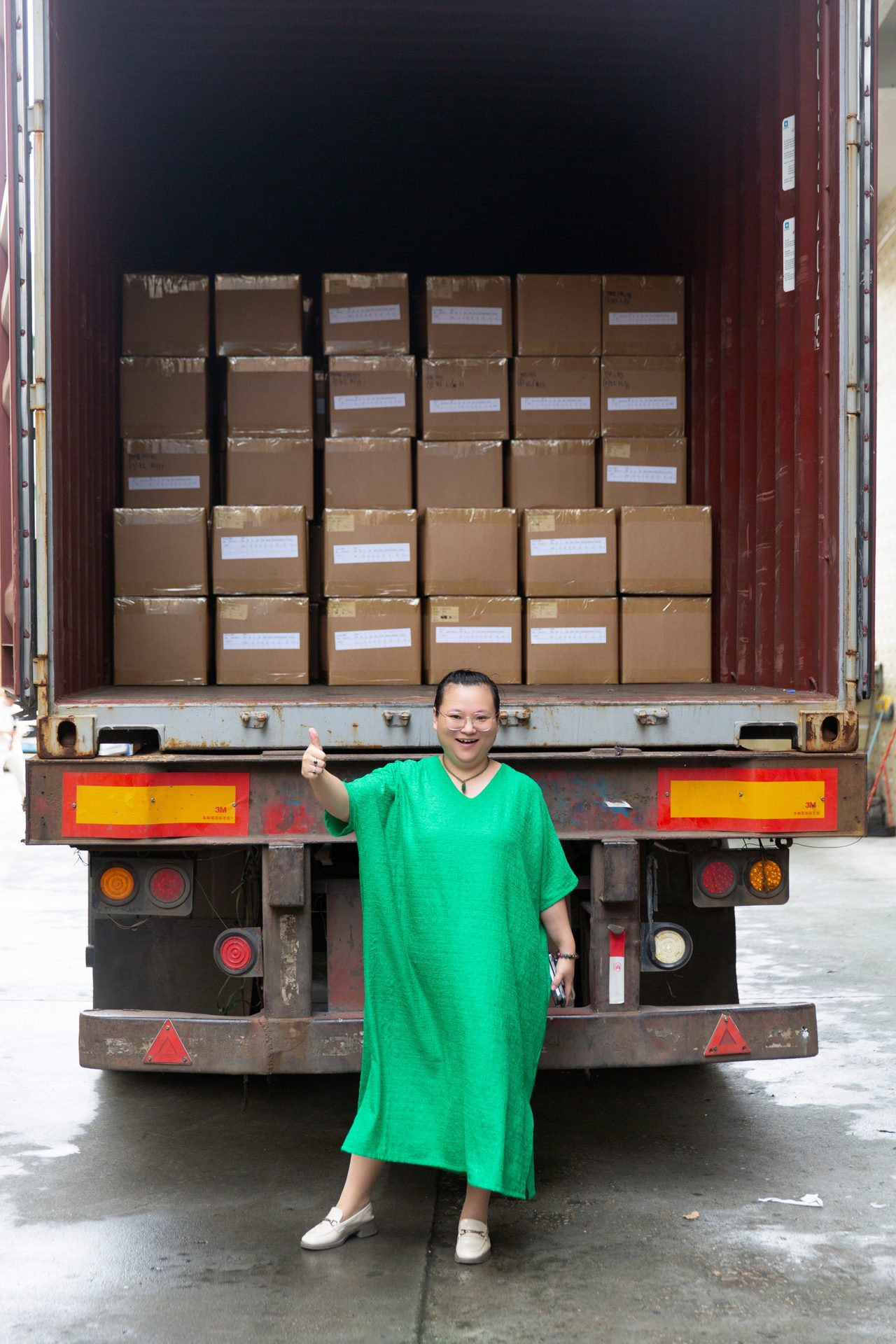
The most expensive part of a factory audit isn't the flight to the plant — it's the rework and reputation loss after "ordering without auditing." Selection is about framework; audit is about facts — capacity, QC, and certifications are only real if they can be checked. A sportswear manufacturer who lays open the work orders, certificate numbers, and AQL standard is worth more POs than one who fills ten pages of brochure.
What's the real difference between selecting and auditing a factory?
Selection is the framework assessment that builds your shortlist (category fit, capacity structure, supplier type) — it happens early in contact. A factory audit is the on-site verification before a bulk PO (capacity / QC / certifications / clients, ticked one by one) — it happens before the deal closes. The two don't overlap: many brands treat selection as audit, end up with a pretty framework and a pit of execution. Our selection guide covers the former; this piece covers the latter.
Can you work with a factory that lacks BSCI / GRS?
Yes, but price the cost: no BSCI means a gap in social-responsibility audit, and European buyers may reject it; no GRS means recycled-fabric claims aren't recognized. We actually hold only BSCI, GRS, OEKO-TEX, ISO 9001, and we don't vouch for other factories. What the audit checks is "can the certifications it claims be found on the official site," not "does it have a certificate photo."
How long does one on-site factory audit take?
A single-site on-site audit usually takes 1–2 days: half a day on plant / line / equipment, half a day on QC process and original certificates, with time left to flip through non-confidential work orders and shipping records. Remote verification (video line walk + certificate lookup) can compress to under half a day, but key items (color-matching light source, inline sampling) are best seen on-site — video easily cuts what you want to see.
Is a 100-piece trial order worth a dedicated audit?
Worth it, but lighter. The trial itself is small and the risk is contained — you don't need to fly to two plants for a full audit. Remote-verify capacity and certificates, and ask for a recent same-category shipping record. What's truly worth the weight is the trial's PP sealed sample and bulk consistency: small batches test whether the factory will run the full process for your one order. Light audit, heavy sealed sample — that's the reasonable split for the trial stage.