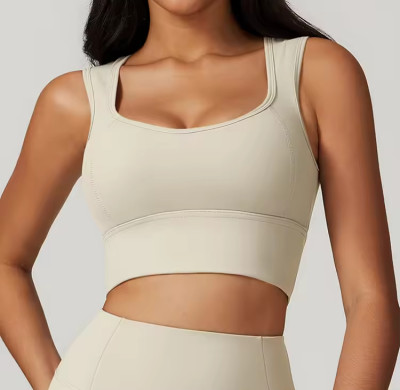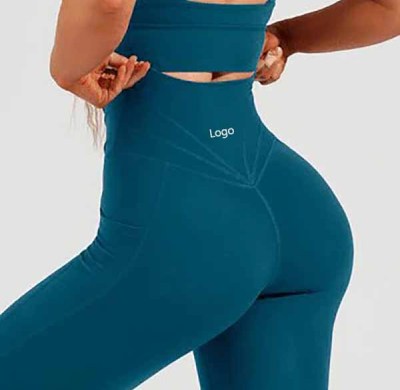
Leggings Manufacturer: Squat-Proof, 4-Way Stretch & GSM Buyer's Guide
Choosing a leggings manufacturer isn't about finding the lowest quote — it's about de-risking your bulk order. For established brands, a qualified OEM partner clears four gates: verifiable certifications (BSCI / GRS / OEKO-TEX), real stretch and opacity testing, a documented quality system (AQL 1.5 + multi-stage QC), and IP protection. This guide gives brand buyers a test-and-audit-first screening process — not a catalogue flip.
1. Define your order profile before you screen factories
Most brands don't pick the wrong factory — they brief it wrong. Before contacting any leggings supplier, lock down three things: order volume (monthly / annual) and MOQ structure, product positioning (high-waist yoga leggings / athletic tight / compression / bonded seamless), and the compliance bar for your channel (recycled content, chemical restrictions, social-audit tier). A mill that excels at 200gsm French terry may struggle with bonded seamless leggings; a factory used to 5,000-piece minimums will treat your 300-piece trial as a nuisance, not a partnership.
Write the order profile down and send it to every candidate up front. State your real annual volume, not the aspirational one; list the fabric bases and processes you actually use; name the certifications you require. This document keeps the conversation about capability, not appearances, and lets a serious leggings manufacturer tell you early whether it is a fit — saving both sides weeks of sample back-and-forth. You can also review our high-waist yoga leggings product page to see the styles we actually run.
2. Screen by capability, not by lookbook
A pretty lookbook proves almost nothing about bulk reliability. Evaluating a leggings factory means asking for the unglamorous evidence: its in-house processes (flatlock 4-needle 6-thread, bonded seamless, sublimation, coverstitch) — here "seamless" means bonded seamless (film lamination, no visible stitches, smooth against skin), not Santoni circular-knit one-piece seamless; the two use completely different equipment and cost, so separate them when you ask — the size of its functional fabric library, and whether it does true custom development or just re-skins. The best OEM partner acts as an extension of your product team: it challenges your spec, suggests a better seam, warns you a fabric won't survive the wash test — not a print-and-ship middleman that nods to everything.
Screen out early by capability. If a factory claims "we do every process" but can't name the adhesive brand for bonding, or its fabric library is really three mills' catalogues patched together, that's a signal. Mature brands should shortlist 3–5 factories that truly run your category, then qualify them through the audit and capacity gates below — not blast RFQs to 20 strangers.
3. Squat-proof and opacity: the spec brands most often miss
The most common leggings return reason isn't a hole — it's showing through on a deep squat, or a light color revealing the liner. Many brands spec only GSM and unit price, missing the squat test (opacity under deep squat) and opacity — then the bulk goes "see-through" after a few washes. We've picked up plenty of start-up brands where the gap wasn't price, it was these two tested specs and the recovery rate.
A serious contract factory runs opacity and stretch tests at fabric intake and finished-goods stage, and gives you quantifiable standards (for example, no show-through at a defined stretch rate, recovery at or above X percent). Write squat-proof into the tech pack acceptance criteria, not as a verbal "make it opaque". For the process control behind the craft, see our sublimation vs screen-print guide on why method discipline decides bulk stability.
4. 4-way stretch and recovery: lower GSM isn't more "bare skin"
Bare-skin feel isn't the same as thinner. GSM sets hand-feel and coverage; 4-way stretch sets freedom of movement; recovery sets whether it sags and goes sheer after a few wears. A common trap: to cut cost and chase "light", you push GSM below what supports the garment — recovery drops, knees and elbows bag, and it shows through after washing. Brands want a "support plus recovery" balance, not simply low GSM.
When selecting, ask the supplier to state the fabric's stretch direction and recovery test data (for example, recovery rate after 100 percent stretch), not just GSM. The mill certificate for functional fabric must map to the exact cloth in your order. Our size grading tolerance guide also covers bulk consistency — inconsistent grading quietly ruins fit, and is harder to fix after shipment than show-through.
5. Fabric and chemical compliance: OEKO-TEX / REACH / GRS
Functional fabric is where performance meets compliance. Verify the mill certificates behind the claims (moisture management, four-way stretch), and confirm chemical compliance for the target market. For the EU and North America, OEKO-TEX Standard 100 (Class I / II), REACH SVHC alignment, and PFC-free DWR are now baselines for many retailers, not premium options. If you claim recycled content, a GRS Transaction Certificate (TC) is a hard gate — you can't just take the supplier's word.
A factory that treats compliance as optional becomes your recall risk the first time a buyer runs third-party chemical testing. Ask for the actual mill test report, not a summary, and confirm the certificate covers the exact fabric batch in your order. OEKO-TEX official site and GRS / Textile Exchange are authoritative entry points to verify such claims.
6. Sampling and tech pack: 7–10 day prototype + tech pack
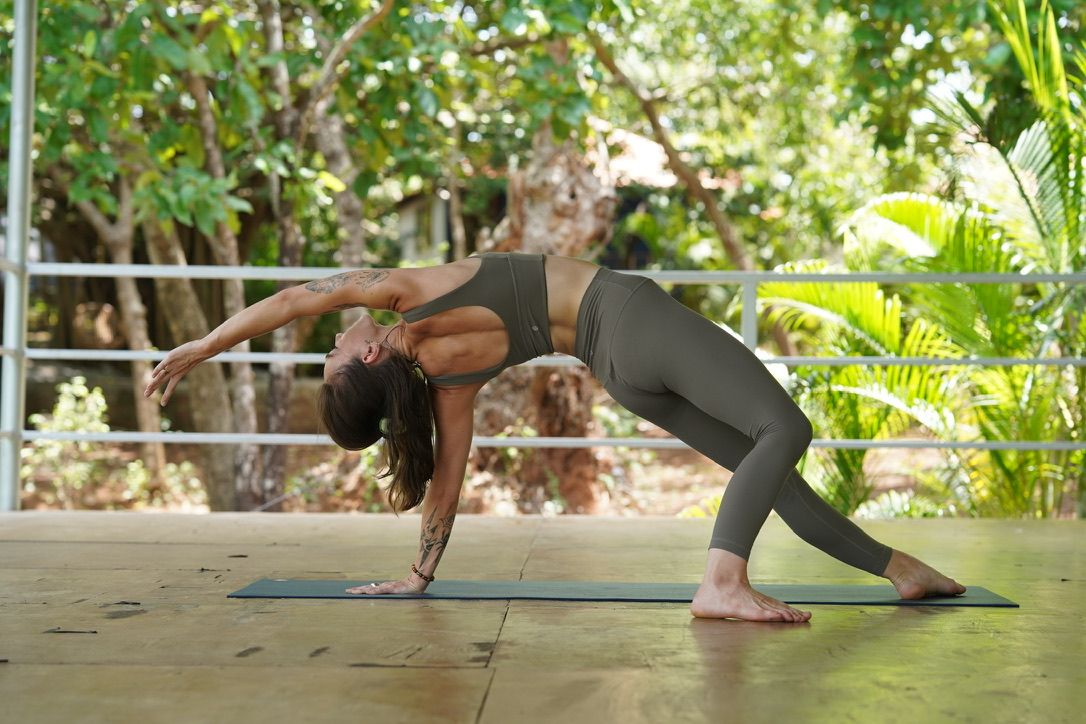
Sampling is where bulk problems get caught cheaply — or buried. A disciplined factory runs a structured tech-pack intake, confirms process and tolerance before cutting, and returns a measured prototype — not just a photo. A mature style's sampling window is typically 7–10 days; a "48-hour sample" usually skipped the measurement and material verification that protect your fit.
Use sampling to test the relationship, not just the garment. Send a complete tech pack and watch whether the factory asks smart questions or blind-executes. A good OEM warns you that 220gsm interlock looks heavy in a cropped fit, or your seam allowance won't survive flatlock at that tension. Our tech pack guide covers what belongs in the file so sampling is a controlled step, not a guessing game — the prototype you sign off is the garment that ships.
7. MOQ and pricing structure: 300 standard, 100 trial for new clients
Our baseline MOQ for leggings is 300 pieces / per style per color (standard, and our recommended minimum) — this line lets the production line schedule economically and lets you test a style in small batches. The only exception: new customers can run a 100-piece trial order (test the market) on the first order only — it does not roll into a standing norm, and it is not a tiered or floating MOQ. We don't recommend writing 100 as the norm or quoting other factories' MOQ ranges, which disturbs your cost structure.
The other half of pricing is how unit cost moves: fabric GSM and composition, certifications (GRS adds traceability cost, OEKO-TEX adds testing), color count and placement, cross-style consolidation. A factory quoting a flat dead price will either inflate it or surprise you later with change orders. Understand the layering logic: consolidating several styles into one fabric buy, standardizing trims, and committing to a repeat in-season are all levers to lower unit cost without squeezing the factory on corners. The full mechanism is in our MOQ and pricing explainer.
8. Quality system: AQL 1.5 + 8-stage QC
A mature brand should never discover defects at the distribution center. Require a documented inspection plan: in-line checks during production, finished-goods AQL 1.5 (tighter for performance), and a clear corrective path. AQL 1.5 means roughly 1.5 percent tolerance on non-critical defects; in practice, for 2,000 pieces you sample 125 (General Level II), accept zero critical, tightly cap major, allow few minor.
Defects are graded, and the grade matters. Critical (safety / regulatory) is zero-tolerance, stop-ship; major affects function or appearance, strict cap; minor is cosmetic, loosely counted. Ask how many inspections sit between fabric intake and carton: a serious factory runs at least 8 — fabric inspection, color confirmation, sewing audit, final inspection, metal detection. The same discipline should extend to size grading tolerance, where inconsistent grading quietly ruins bulk fit.
9. Capacity and lead time: Dongguan + Guangxi plants, peak-season protection
Capacity isn't a number on a website — it's reality under peak load. Ask a prospective leggings manufacturer for real monthly output, how it protects lead times in Q3–Q4, and its contingency when fabric arrival slips. A credible factory quotes lead times off a real production calendar, not a best-case guess, and can show you this season's open slots — not an eternal "four weeks".
Stress-test the claim: ask for 2 same-tier brand references and repeat rates — a factory with only one-time clients and no reorders is hiding something. Probe the fabric pipeline: does it buffer base cloth, or schedule every order from a new mill, with a dye lot breaking overnight? Our production lead-time guide explains the calendar logic behind reliable delivery.
10. Communication and IP protection: NDA / file isolation
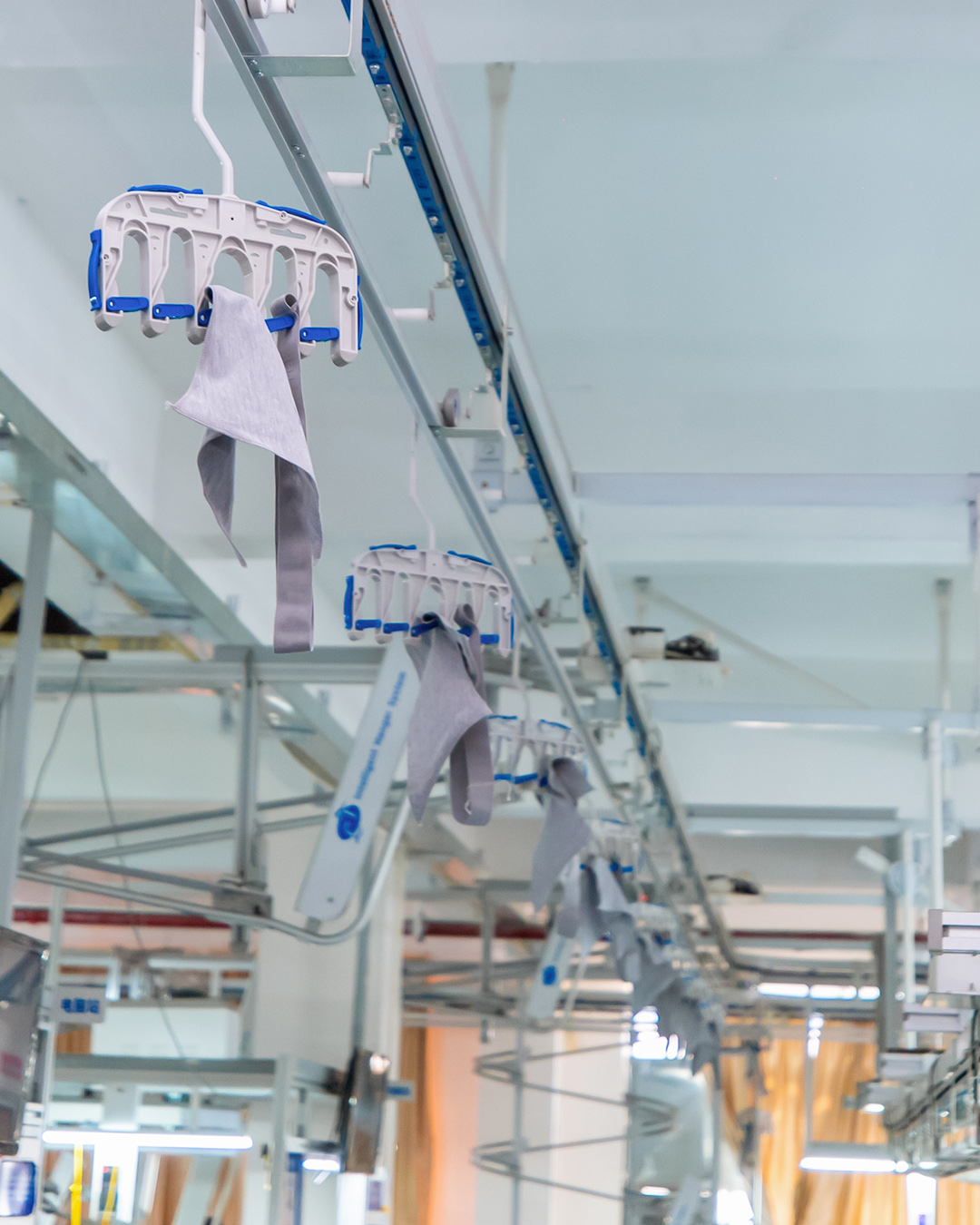
For mature brands, the biggest risk isn't price — it's leakage. Before sharing a tech pack, confirm the factory will sign an NDA covering your design / patterns / specs, keep files in a controlled environment with access logs, and never reuse your development for another client. Ask who touches your artwork in-house, whether version control is enforced, and how files are handled at project end.
Any hesitation, walk. IP discipline is culture, not a clause tacked at the end. A factory that protects mature brands guards your tech pack like a bank guards keys — partitioned, logged, never floating in a shared inbox. This is also where communication quality shows: a partner that answers spec questions with an owner within hours protects your development far better than a factory that goes dark for a week and resurfaces with a competitor's lookalike.
11. Red flags: spotting an unreliable leggings supplier
Watch for consistent evasion patterns. The most common disqualifiers: no current verifiable audit documents; inflated capacity with no reference clients; refuses NDA or can't explain file control; can't produce real bulk references (only hero samples); pushes 100 percent deposit; dodges chemical compliance. Any one should downgrade; two or more should remove outright.
Also trust the texture of the conversation. A factory that can't explain its own QC stages, quotes lead time with no production calendar, or nods to impossible specs isn't confident — it's missing accountability. The right leggings manufacturer pushes back on things that would hurt your bulk, because protecting your order is also in its interest.
For mature brands, the right leggings manufacturer is measured by what it can prove — verifiable certifications, capacity under load, a documented quality system, IP discipline — not how good the lookbook looks.
12. Practical selection scorecard
Before you commit, score every shortlisted factory against the same gates. The table below turns the process above into a yes-or-no sieve you can run in an afternoon, comparing factories without relying on memory or sales charm.
| Gate | What to verify | Pass line |
|---|---|---|
| Certifications | BSCI, ISO 9001, GRS for recycled | Current, verifiable in issuing database |
| Stretch & opacity | squat-proof, 4-way, recovery tested | Quantifiable standard, not verbal |
| Capability | flatlock / bonded seamless in-house | Can name process and mill |
| Sampling | tech-pack intake + measured prototype | 7–10 days + graded feedback |
| Pricing | Tiered, transparent unit cost | Breaks down fabric / cert / consolidation |
| Compliance | OEKO-TEX, REACH, PFC-free DWR | Mill report for your batch |
| QC | AQL 1.5 + in-line checks | 8 or more documented inspections |
| IP | Sign NDA + controlled files | Named owner + version control + no reuse |
| Lead time | Peak-season capacity plan | Real calendar slots + stop-ship |
Run this table across your 3–5 shortlisted factories, weight the gates by what your channel actually requires, and the decision becomes obvious instead of political. A factory that clears all gates is worth a slightly higher unit cost — because the cheap factory that fails three gates will invoice you twice: once on price, once on recalls, rework, and the peak season you lost.
What's a reasonable MOQ for leggings manufacturing?
Our baseline is 300 pieces / per style per color (standard, for economical scheduling and style testing). New customers can run a 100-piece trial order (test the market) on the first order only — not a standing norm. Tiered pricing lowers unit cost through cross-style consolidation and repeats, not by stopping at the opening price.
How long does leggings sampling take?
For a mature style with a locked tech pack, a measured prototype typically takes 7–10 days. A "48-hour sample" usually skipped the measurement and material verification that protect fit — fine for a photo sample, risky for the bulk prototype, because the prototype you sign off is the reference for the bulk line's grading.
Which certifications should I require from a leggings factory?
At minimum BSCI (social) + ISO 9001 (quality). Claiming recycled requires GRS; EU / North America chemical compliance requires OEKO-TEX Standard 100 / REACH alignment. Verify every certificate in the issuing database, not just by collecting a PDF.
Can you do bonded seamless leggings and custom development?
Yes. We run flatlock 4-needle 6-thread and bonded seamless (film lamination, no visible stitches, smooth against skin), and support full custom development from moodboard to tech pack to PP sample, plus white-label refreshes of existing styles. Note that our "seamless" means bonded seamless, not Santoni circular-knit one-piece seamless knit — if you need the latter, confirm the supplier truly has that circular-knit capacity, because the equipment, yield, and cost are in a different league.