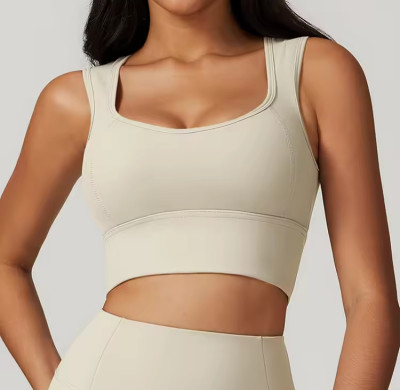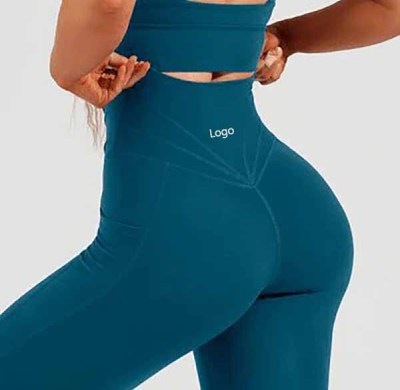
Nylon vs. Polyester Leggings: Which Fabric Should Your Leggings Manufacturer Use?
There is no "better" fiber between nylon and polyester for leggings — only the one that fits your brand. Nylon is softer, recovers better, matte, and more opaque, but costs more; polyester is crisper, brighter, more abrasion-resistant, cheaper, and faster for bulk. Most premium yoga and training leggings use nylon (or nylon + spandex), while fast-fashion and basic bulk lean polyester. Don't choose on unit price alone — weigh price tier, end use, and GSM together. Whether you work with a leggings manufacturer or a custom leggings manufacturer, lock this before sampling.
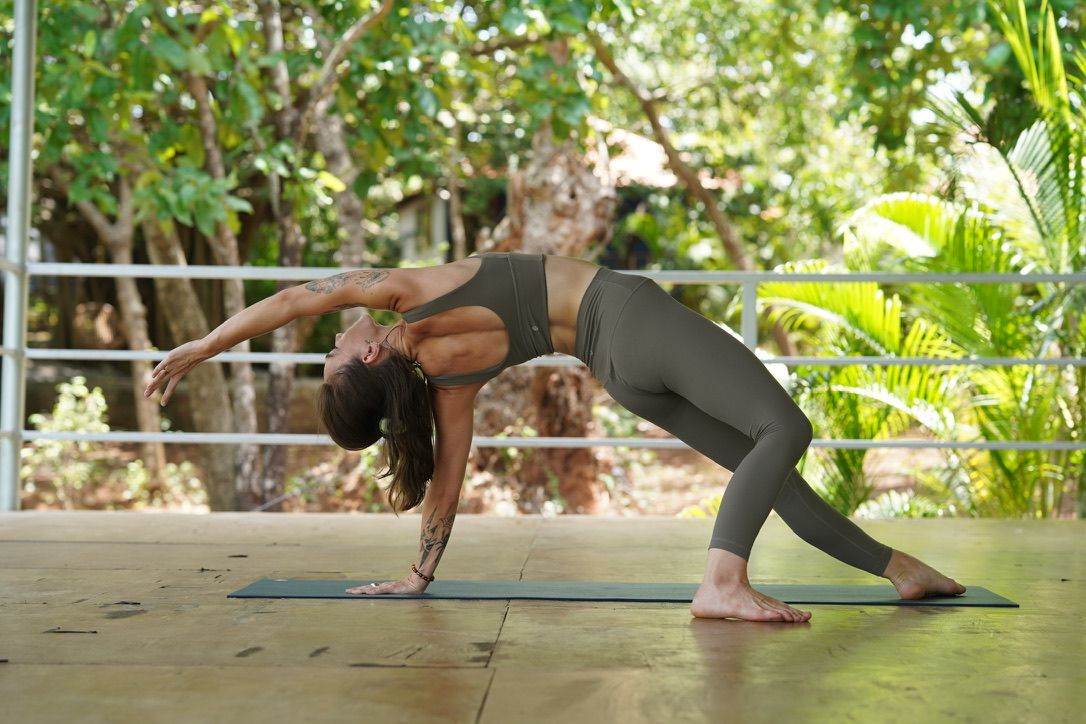
Too many brands open with "which fabric is best" — that question is already wrong. The conclusion my development team lands on daily is simple: fibers aren't good or bad, they're a fit. This guide compares nylon vs polyester leggings across hand-feel, recovery, opacity, and cost, so you can make the fabric call for your own brand. Below I break down how nylon (polyamide, PA) and polyester (PET) actually perform in leggings. If you're still picking a factory, read our leggings manufacturer selection guide first, then come back to fabric — order matters.
1. What the two fibers actually are: both rely on spandex for stretch
Start with the baseline. Nylon (Nylon, chemically polyamide PA) and polyester (Polyester, chemically PET) are both synthetics, but their molecular structure differs: nylon is lighter and softer with slightly better moisture uptake; polyester is stiffer, stronger, and better at UV and sun resistance. The key point — whether nylon or polyester, leggings must be blended with spandex (Spandex / Elastane, usually 15%–25%) to get compression and recovery. So when you hear "nylon leggings" or "polyester leggings," the real recipe is "nylon + spandex" or "polyester + spandex." The spandex ratio and quality often decide a legging's lifespan more than the main fiber. We stress in our tech pack guide that fiber ratios must be written into the development sheet, not agreed verbally.
2. Hand-feel and look: nylon is soft and matte, polyester is crisp and bright
This is the first thing consumers see and touch. Nylon filaments are finer and rounder, weaving into a smooth, matte, "barely-there" hand-feel — the core reason premium yoga leggings favor nylon. Polyester filaments are stiffer, giving a crisper, shinier face that reads more "sporty / quick-dry" after calendering. If your brand is premium and naked-feel, nylon fits; if it's high-saturation, color-block, street-training, polyester's brightness and color retention photograph better. If you also print logos or patterns on the body, the print method (screen print vs. sublimation) choice also affects hand-feel and color retention — we cover that separately.
3. Stretch and recovery: nylon recovers better, polyester loosens
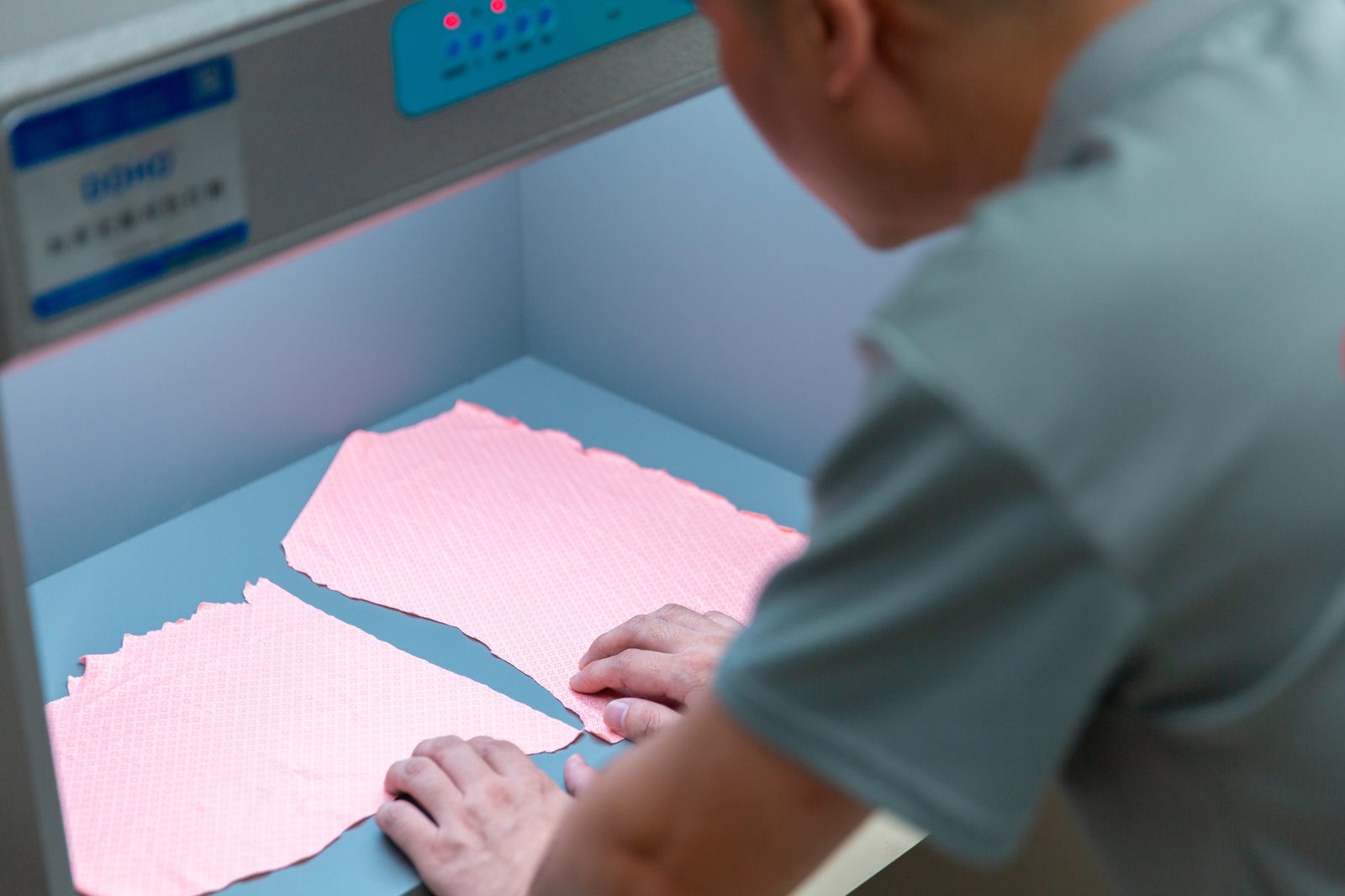
The nightmare for leggings is "bagging after a few wears." On recovery (elastic recovery), nylon clearly beats polyester: after the same stretch, nylon snaps back faster and knee/elbow points resist bubbling; polyester's recovery is weaker, and below a certain GSM or spandex ratio it loosens after a few washes. For yoga (deep stretches) and training (repeated squats and jumps), nylon is the steadier choice; for light commuting or layering basics, polyester's recovery is enough. Recovery also ties to fit — a poor-recovery fabric demands tighter grading tolerances, and the factory's size grading must build recovery margin into the spec.
4. Opacity (squat-proof): nylon is steadier, thin polyester shows through
"No show-through on deep squats" is the top complaint. Opacity is driven mainly by GSM + fiber structure + knit, but at equal GSM, nylon's filament structure shows through less than polyester's staple fiber, and matte reads more covering. If polyester is pushed below 180 gsm in light colors, squat-proof risk spikes. So don't just look at "is it polyester" — lock GSM together. Our squat-proof and GSM piece (N1) covers this; the takeaway here is that opacity rests on fiber + GSM + knit as a trio, and swapping fiber alone won't save a thin cloth.
5. Durability and pilling: polyester is tougher, nylon snags
Reversing it, polyester wins on abrasion resistance and snagging. Nylon's softer face catches on rough surfaces (climbing walls, machines) and pills more easily; polyester is "tougher." That's why some factories build outdoor / high-function styles as a polyester outer plus nylon inner composite. Another silent killer is chlorine (pools) — nylon hates chlorine, so swimwear needs anti-chlorine treatment or a polyester switch. Reminder: abrasion and softness fight by physics; a high-abrasion fabric necessarily gives up a little naked-feel. That's not the factory cutting corners.
6. Cost and lead time: polyester is cheaper and faster, nylon is pricier
The commercial reality: polyester raw material is cheap, dyes fast, and bulks stably — both unit price and lead time are friendlier; nylon raw material is expensive, demands more from dyeing/finishing equipment, costs more per unit, and runs slightly longer. Our standard sampling is 7–10 days, dual plants (Dongguan + Guangxi) at 500,000 pcs monthly capacity, FOB Shenzhen — true for both fibers, but nylon bulk scheduling needs locking earlier. Plan lead time rhythm and fabric choice together; don't finish sampling only to find nylon yarn needs two weeks.
7. Sustainability and certifications: rPA and rPET both need GRS
European and North American buyers now almost always ask about sustainability. Two routes: recycled nylon (e.g. ECONYL®) and recycled polyester (rPET, from recycled bottles) — both can make leggings, and both need GRS certification to be recognized. We actually hold BSCI, GRS, OEKO-TEX, and ISO 9001, with recycled material traceable from the yarn source. One warning: claiming "recycled" needs a certificate number and supply-chain traceability, or it's greenwashing — and that gets caught in a factory audit instantly.
8. How to choose: a decision table by brand positioning
To execution — a fabric-by-positioning table (GSM are typical ranges; final by style):
| Your brand positioning | Recommended main fiber | Typical GSM | Why |
|---|---|---|---|
| Premium naked-feel yoga / Pilates | nylon + spandex (20–22%) | 220–260 gsm | soft, matte, good recovery, steady squat-proof |
| Training / HIIT | nylon-led, or nylon + polyester blend | 200–240 gsm | recovery resists bubbling, balances support |
| Compression / gradient compression | nylon high-stretch + high spandex | 240–300 gsm | compression and recovery first |
| Fast-fashion / basic bulk | polyester + spandex | 180–220 gsm | cheap, abrasion-resistant, fast lead time |
| High-saturation street | polyester (bright, color-retentive) | 190–230 gsm | vivid color, photogenic, low cost |
| Swim / anti-chlorine | polyester (anti-chlorine treated) or swim fabric | 180–210 gsm | nylon hates chlorine, polyester lasts |
Standard bulk MOQ is 300 pcs per style per color; new clients can start with a 100 pcs per style per color trial order — and the trial still locks fabric, don't scramble it. Whether you work with an OEM leggings manufacturer or a private label leggings manufacturer, this table goes straight to development.
9. Pre-sampling checklist: 5 things to confirm with your factory
- Yarn source: brand/spec of main fiber and spandex written into the tech pack; recycled material needs a GRS traceability chain.
- Spandex ratio: 15%–25% by end use; poor recovery means raise ratio or switch to nylon.
- Finishing: does it need brushing, calendering, anti-chlorine, or wicking agent — each changes hand-feel and unit price.
- GSM and knit: at equal GSM, knit structure decides opacity and support; don't report one number alone.
- Colorfastness and matching: light-color squat-proof must be tested; check under squat in lighting, not by verbal "opaque."
Once these five are set, talking MOQ and pricing means something. A credible sportswear manufacturer lays the yarn spec and colorfastness report open to you, not just a flat "$25/meter nylon."
Nylon and polyester aren't enemies to pick between — they're two tools. Premium naked-feel picks nylon, fast bulk basics pick polyester, compression and high recovery pick nylon high-stretch. The key is to know your brand's pricing and use first, then let the fabric match — not get pulled by the supplier's stock yarn. Three things done right — yarn spec in the dev sheet, colorfastness tested, recycled material with GRS — and your fabric decision is solid.
Which is more expensive, nylon or polyester?
Usually nylon raw material and dyeing/finishing cost more than polyester, so nylon leggings cost more per unit and run slightly longer at equal tier. But "expensive" is the whole ledger: nylon's better recovery means fewer complaints and returns, which can save more long term. Polyester is cheap and abrasion-resistant, ideal for basic bulk. Set pricing strategy first, then pick the fiber.
Can nylon and polyester be blended?
Yes, and it's common. For example nylon as the skin-contact inner (naked-feel) with polyester as the outer (abrasion and color), or a 70/30, 50/50 blend to balance hand-feel and cost. The blend ratio and finishing must go into the tech pack, or bulk batches will drift in hand-feel between runs.
Which is more eco-friendly, recycled nylon or recycled polyester?
Both depend on the recycling system and GRS certification; you can't simply say one is greener. rPET from recycled bottles has a mature, cheaper supply chain; recycled nylon (ECONYL) from waste fishing nets performs closer to virgin nylon but costs more. The point is certifiable traceability, not the fiber name.
How do I avoid show-through on light-color leggings?
Lock three things together: use nylon filament (more covering than polyester at equal GSM), push GSM above 220, and choose a tight knit. Light colors especially must be tested — squat under lighting and look, don't trust the sample-room eye. Our N1 selection guide lists squat-proof as a core acceptance item.