




Color Fastness in Activewear: A Sportswear Manufacturer's Guide to Wash, Sweat and Rub Testing
"Washing fades it", "sweat transfers color" and "rubbing marks off" are three different things, but brands often collapse them into one line: "no fading". They measure different risks: color loss during washing, migration onto light panels when sweating during wear, and transfer onto other materials during dry or wet rubbing. As a sportswear manufacturer, we first ask which scenario the brand is worried about, then decide on dye, fixation and fabric — and finally let test grades and conditions do the talking, not adjectives.
- Define the three tests first: wash fastness looks at color loss and staining, sweat fastness at migration under acidic or alkaline sweat, rub fastness at dry and wet crocking; they are not interchangeable — passing one does not mean the other two pass.
- Three links set the baseline: dye and fixation, fabric composition and print process each affect how stable the color is, with different cost and durability.
- Dark and color-blocked styles are riskier: darks carry more loose dye and light panels in a color-block are the easiest to stain by migration — testing one dark swatch is not enough.
- Only grades and conditions count: specify the test standard, grey-scale rating, wash count and temperature — see our tech pack guide.
- Minimum and QC: 300 pcs/style/color standard, 100 pcs flexible; AQL 1.5 (major) plus 8-step inspection, with extra wash / sweat / rub fastness gates.
Bottom line: color fastness is not an inherent fabric adjective — it is a combination of "dye + fixation + fabric + test". Write the fading scenario you worry about as a test grade and suppliers become comparable.
- 01Wash, Sweat and Rub Are Three Different Tests
- 02What Sets the Color Baseline: Three Links
- 03Why Dark and Color-Blocked Styles Are Riskier
- 04How to Write Color Fastness Into the Tech Pack
- 05How to Verify: Three Tests and Test Checkpoints
- 06Anonymous Case: Two Batches Labelled Only "No Fading"
- 07Five Common Color Fastness Pitfalls
- 08Pre-Inquiry Checklist: Say It All at Once
Wash, Sweat and Rub Are Three Different Tests
Start with the words. Wash fastness is about whether the fabric loses color during laundering and whether the lifted dye stains light fabric in the same bath; sweat fastness is about whether acidic or alkaline sweat moves color onto light panels next to the skin during wear; rub (crock) fastness is about whether dry or wet rubbing transfers color onto other materials. The three tests simulate three completely different wear risks — passing one does not mean the other two pass.
Wash looks at color loss and staining: both how much the fabric itself fades and whether lifted dye stains adjacent light fibers — the latter matters especially in color-blocked styles.
Sweat looks at migration: simulating the acid/alkaline environment of human sweat, color moves onto light panels or underwear — the most common source of complaints in close-fitting activewear.
Rub looks at dry and wet: dry and wet crocking give two different results, with wet usually harsher; wet rub staining on dark fabric needs its own reading.
Why separate them first? Because when a brand says "no fading", some worry about color running in the first wash, some about light panels being stained after a hard session, and some about color transferring after repeated friction from straps or equipment. Different risk scenarios mean different dye choices, fixation processes and test priorities. For how fiber composition affects dye uptake, see our nylon vs. polyester guide.
What Sets the Color Baseline: Three Links
Color fastness is not luck — it comes from three controllable links. When we build a solution for a brand, we first identify which link is the weak point, then talk about cost and durability:
Dye and fixation. Dye type and fixation process decide whether color bonds firmly to the fiber. Dark and vivid shades use more dye and auxiliaries, so loose-dye risk is higher. The upside is a stable baseline once the right dye system is chosen; the downside is that high-fastness dark shades cost more and have a narrow process window.
Fabric composition. Polyester, nylon and cotton have different affinity for dye and different uptake behavior, so the achievable fastness ceiling differs — which is why the same color behaves differently on different fabrics. For fiber choice, see our performance fabrics guide.
Print and finishing. Fastness in the print zone follows a different logic — screen print, direct-to-garment and heat transfer each have different fastness and can interact with the base fabric color. Process choice is in our print methods guide.
No single link is "set and forget". Dark high-fastness shades look to dye and fixation, color-blocked styles to migration, printed styles to process match — fix the risk scenario and durability requirement first, then decide where to put the budget.
Why Dark and Color-Blocked Styles Are Riskier
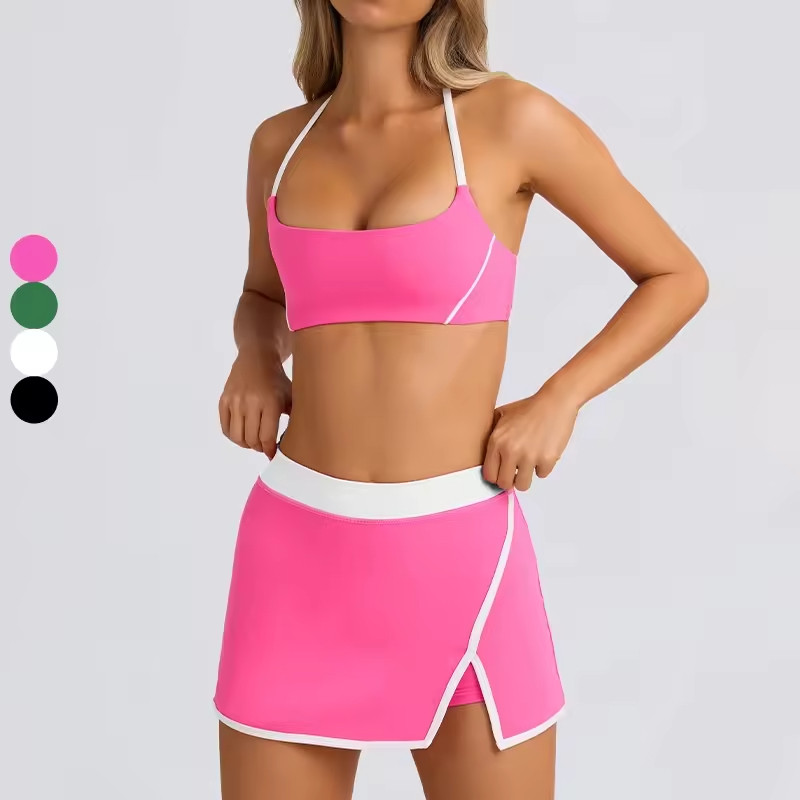
This is the point most easily glossed over in color fastness: the risk of dark and color-blocked styles is not in the same league as a plain light single-fabric style. Dark fabric carries more loose dye and is more prone to fading and staining in washing and wet rub; in a color-blocked style with a light panel, once loose dark dye migrates onto the light area it is visually obvious.
| Style | Main risk | How to write it in the tech pack |
|---|---|---|
| Solid dark | Wet rub staining, wash fading | Specify dark wet-rub grade and after-wash color-change grade |
| Dark + light color-block | Dark dye migrating onto the light panel | Test staining in the same bath, rate the light panel separately |
| Printed style | Inconsistent fastness between print zone and base color | Test the print zone separately, write process and fastness |
So in the tech pack, the color fastness item must be treated as an accept/reject parameter like color, weight and size. Sizes should be graded on a separate chart per the size grading guide — do not let different sizes share one color-fastness assumption; the same style in different colors also needs separate confirmation, since dark and light batches behave differently. The tech-pack fields and sign-off flow are in our tech pack guide, and the general QC framework in the three-stage inspection guide.
How to Write Color Fastness Into the Tech Pack
Color fastness is accepted on grades and conditions, not on the words "no fading". We recommend writing the tests into the tech pack and agreeing three things: which item to test, which standard to test it under, and which grade counts as a pass.

Write the test items: state which of wash, sweat (acid/alkaline), dry rub and wet rub are required; dark color-blocked styles normally need all four, not just one.
Write the conditions and grades: note the test standard, wash count and temperature, grey-scale rating and pass grade — the same fabric gives very different results under different conditions.
Write the test subject: fabric or garment, dark or light panel, whether the print zone needs a separate test — spell it out so nobody tests different things.
Test checkpoints and sampling logic fold into the general QC flow, with shipment inspected at AQL 1.5 (major) plus 8-step inspection; color fastness is an extra gate, see the AQL inspection guide. For the logic behind 7–10 day sampling and 25–35 day bulk lead times, see the lead times guide.
How to Verify: Three Tests and Test Checkpoints
The most common question from brands is whether a supplier can promise no fading. Honestly, no dye can promise completely zero color loss — what can be done is to keep fading within an agreed grade and make results reproducible across batches. The method is to agree test checkpoints: test the first sample once, test again after the wash count agreed in the tech pack, and accept against the color-change and staining grades.
Wash fastness: wash at the agreed temperature and count, rate fabric color change and staining on adjacent light fibers; color-blocked styles need both values.
Sweat fastness: test under acidic and alkaline sweat conditions separately, rating migration onto light panels next to the skin.
Rub fastness: rate dry and wet crocking separately, with wet-rub staining the focus for dark fabric.
Beyond quality targets there is a compliance baseline: dyes and auxiliaries on recycled and GRS-certified fabric must also clear color fastness and restricted-substance checks — how to verify certification and audits is in our GRS and BSCI guide. The cost trade-off — high-fastness dyes and fixation cost more — is covered in our cost guide.
Anonymous Case: Two Batches Labelled Only "No Fading"
A growing activewear brand placed its first dark-blue-with-white leggings batch with the spec sheet saying only "no fading", with no test item, condition or grade. The first sample was rinsed under the tap with no obvious color loss and the brand approved it; when bulk arrived, the feedback was "the light panels were dyed grey-blue in the first wash". The review found the first sample and the bulk used two different batches of dark fabric with inconsistent fixation parameters, and the spec contained no staining grade to hold the line.
The second round turned color fastness into accept/reject parameters — specified wash color-change and staining grades, wet-rub grade, test conditions and wash count, and required the test sample and bulk to come from the same batch and dye lot with the same fixation parameters. The problem was solved in one pass. There is no magic in this case, and no peer's mistake: replace the words "no fading" with test grades and batch variation has nowhere to hide. The sizing and surface QC logic behind shrinkage and pilling is in our shrinkage and pilling guide.
Five Common Color Fastness Pitfalls
These five things are the traps brands most often fall into in color fastness decisions, and they all come back to spec and decision-making, not the factory:
- Collapsing three tests into "no fading": wash, sweat and rub measure different risks — passing one does not mean the other two pass.
- Testing only the dark, not the light panel: loose dark dye migrating onto a light panel is the most visible problem — color-blocked styles must rate light-panel staining separately.
- Writing grades without conditions: different wash counts, temperatures and grey scales give very different results — without conditions there is no comparability.
- Testing a sample from a different batch than the bulk: change the dye batch and fixation parameters and fastness changes; same batch and dye lot is the premise of a reproducible test.
- Forgetting to test the print zone separately: print fastness follows a different logic from the base fabric — testing only the fabric misses rub transfer in the print zone.
Pre-Inquiry Checklist: Say It All at Once
Organize your information against the eight items below before you send the inquiry, and color fastness rarely bounces back for rework:
- Test items: state which of wash, sweat (acid/alkaline), dry rub and wet rub are required; dark color-blocked styles normally need all four.
- Colors and color-blocks: list dark, light and color-block structure, marking which panel needs a separate staining rating.
- Dye and fixation: high-fastness requirements for dark shades and the fixation process window, written into the tech pack.
- Fabric composition: polyester/nylon/cotton ratio, written together with the fastness expectation.
- Conditions and grades: test standard, wash count and temperature, grey-scale rating and pass grade, item by item.
- Test checkpoints: how many tests on the first sample and after washing, recording decline, with samples from the same batch and dye lot.
- Print clearance: print process and placement, with the print zone tested for fastness separately.
- Acceptance standard: AQL 1.5 (major) plus 8-step inspection, color fastness as an extra gate, test sample and bulk from the same batch and dye lot.
About Our Production Line
Two factories (Dongguan + Guangxi), 20,000㎡, 500,000 pcs/month, OEM/ODM since 2014, FOB Shenzhen (Shenzhen is the loading port, not the production site). Sampling in 7–10 days, bulk in 25–35 days, MOQ 300 pcs/style/color standard and 100 pcs flexible. Further reading: AQL inspection guide / shrinkage and pilling guide / MOQ guide.
FAQ
Are wash, sweat and rub fastness the same thing?
No. Wash fastness looks at color loss and staining during laundering, sweat fastness at migration onto light panels when sweating, and rub fastness at dry and wet crocking. They are different tests for different risks — passing one does not mean the other two pass, so first work out which scenario the brand is worried about.
Are dark colors always more likely to fade than light colors?
Darks usually carry more loose dye and have higher wet-rub and wash fading risk; but the most visible problem is a dark + light color-block, where loose dark dye migrates onto the light panel. So color-blocked styles need the light panel rated for staining separately — testing only the dark is not enough.
How do I verify a fabric's color fastness?
Write the test item, conditions and grade into the tech pack: wash tests color change and staining, sweat tests migration under acidic and alkaline conditions, rub is rated dry and wet separately, with wash count, temperature, grey-scale rating and pass grade agreed; the test sample and bulk come from the same batch and dye lot and are re-tested at checkpoints. A quick rinse under the tap is not an acceptance basis.
Can a supplier promise "completely no fading"?
No dye can promise completely zero color loss. What can be done is to keep fading within an agreed grade and make batch results reproducible. So the tech pack states test grades and conditions, not an adjective like "no fading" that has no acceptance standard.