Performance Apparel Fabrics: A Buyer's Guide for Sportswear Brands
Performance fabrics are not about "paying more for better" — they are about writing measurable specs into your tech pack. The six numbers an established brand should lock: GSM weight, stretch direction, wicking height, breathability, UPF, and colorfastness / pilling grades. The costliest failure in performance apparel is not a bad first order — it is a reorder that drifts. Cross-batch fabric consistency is what separates brands that keep buyers from brands that lose them. This guide gives you the spec-sheet language, test methods (AATCC / ISO), and compliance gates (GRS, OEKO-TEX, REACH) to buy performance fabrics like a brand at scale — drawn from our 200+ fabric library, 1,200+ brand partnerships, and dual-plant capacity of 500,000 pcs/month.
1. Why Established Brands Feel Fabric Problems Later — and Bigger
Startups can order on hand-feel and tolerate surprises; a mature brand cannot. Once volume ramps up, a subtle drift in hand-feel, color, or function — from a new dye lot, a new mill, or a "similar" substitute fabric — gets multiplied across thousands of units and surfaces as returns, reviews, and lost reorders. At that scale, fabric is not a cost line. It is the carrier of the brand experience.
We develop fabrics for established performance brands in Europe and North America, and the same failure pattern repeats: the first order runs on Mill A's recipe; the reorder, under delivery pressure, quietly switches to Mill B. The shade shifts, the drape changes. The end consumer cannot articulate what is wrong — but repeat purchase rate drops. This is why fabric sourcing for an established brand has one core question: how to choose a sportswear manufacturer that can hold fabric specs constant, and how to write those specs so they are executable, not decorative.
2. The Six Measurable Metrics That Define Performance Apparel
"Performance" means nothing on a purchase order. These six measurable properties mean everything:
- Weight (GSM) — grams per square meter; governs drape, opacity, warmth, and season fit.
- Stretch direction — single, two-way, or four-way; governs freedom of movement and shape recovery.
- Moisture wicking — wicking height; governs whether sweat is pulled off skin or clings.
- Breathability — air permeability; governs heat dump during high-intensity sessions.
- UV protection (UPF) — the compliance-relevant metric for outdoor lines.
- Colorfastness and pilling — wash and rub fastness plus pilling grade; governs cross-batch visual consistency.
The rest of this guide walks through each one and shows how to write it into a specification so a factory can hold it batch after batch. For the document structure itself, start with our tech pack guide for sportswear manufacturers.
3. Performance Fabric Map: Fiber by Fiber
Before testing anything, specify the right base. The table below is industry-standard knowledge — use it to direct fiber selection instead of asking a factory to "recommend something":
| Base fabric | Core traits | Typical GSM | Best-fit categories | Sourcing watch-outs |
|---|---|---|---|---|
| Polyester | Fast-drying, durable, cost-efficient, print-friendly | 140–260 | Training tees, tracksuits, track pants | Verify antibacterial finishes comply with REACH |
| Nylon | Abrasion-resistant, lightweight, excellent recovery | 120–200 | Leggings, yoga, outdoor shells | Blend with spandex for extension |
| Spandex | High elasticity (typically 10–25% of blend) | Blend component | Compression, yoga, sports bras | Lock the blend ratio in the spec, or recovery drifts |
| Recycled polyester (rPET) | Polyester performance plus traceability | 140–260 | ESG lines, sustainable capsules | Require GRS certificate plus TC per batch |
| Cotton blend | Skin-friendly, breathable, wrinkles | 200–320 | Hoodies, athleisure | Pure cotton wicks poorly; blend or finish |
Real development is usually a composite: a poly + 8% spandex four-way stretch interlock, or an rPET/nylon abrasion face for outer layers. The point for a mature brand: the blend ratio and construction must be written into the spec. The same fabric name from two different mills can feel like two different products.
4. Moisture Wicking: How It Works and How to Test It
"Fast-drying" is not marketing copy; it is measurable physics. Polyester is hydrophobic — it does not absorb water. Wicking works by capillary action pulling sweat from the skin to the face of the fabric, where it evaporates. A mature brand should never judge it by hand; judge it by test data:
- Wicking height (AATCC 197) — hang a vertical fabric strip for 30 minutes and measure liquid rise; higher is faster.
- Liquid moisture management (AATCC 195) — a combined grade covering wetting time, absorption rate, one-way transport, and spreading speed.
- Drying rate — time to return to a defined moisture content after a controlled water drop.
Write the threshold into the spec — for example, "AATCC 197 wicking height ≥ 80 mm / 30 min" — and inspect against it at delivery. This single habit separates a performance brand from a white-label reseller. Note that print method interacts with wicking: heavy ink coverage can block capillaries, so align fabric specs with the decoration route in our screen print vs sublimation comparison.
5. Stretch Direction: Single, Two-Way, or Four-Way
Stretch direction determines both freedom of movement and shape retention:
- Single stretch (warp or weft only) — lowest cost; fine for lifestyle-led pieces, restrictive in large ranges of motion.
- Two-way stretch — the general-purpose choice for training and athleisure.
- Four-way stretch — mandatory for yoga, compression, and high-intensity training; costs more and demands tighter knitting and finishing control.
The classic established-brand mistake is downgrading four-way to two-way to save cost — and watching return rates climb. Instead of writing "has stretch," write a measurable recovery target: "four-way stretch, weft elongation recovery ≥ 90%."
The most expensive thing in fabric sourcing is not the unit price — it is the assumption that never made it into the spec sheet. "Fast-drying with stretch" gets you ten different fabrics from ten factories. A mature brand's edge is converting vague requests into testable numbers.
6. GSM by Category and Season
Weight is the first fabric parameter to lock, because it drives hand, drape, warmth, and cost simultaneously:
- 140–180 GSM — lightweight fast-drying: summer training tees, sports bras.
- 200–240 GSM — the all-season workhorse range: training sets, tracksuits.
- 260–320 GSM — hoodies, fleece, cold-season layers.
If weight drifts more than about ±10% between batches, drape and fit shift visibly. We hold weight tolerance inside a controlled range by pairing our size chart and grading standards with first-piece inspection. Established brands have near-zero tolerance for "the same SKU feels different this season."
7. Recycled and Compliant: GRS, OEKO-TEX, and REACH
For performance lines selling into the EU and North America, compliance is not a bonus — it is the entry ticket:
- GRS (Global Recycled Standard) — recycled polyester must be certified, and every batch needs a Transaction Certificate (TC) to keep the chain traceable. Without a TC, "recycled" is just green-washing.
- OEKO-TEX Standard 100 — harmful-substance testing; the standard gate large EU/US buyers expect.
- REACH / PFAS restrictions — EU limits on per- and polyfluorinated compounds (common in water- and oil-repellent finishes) keep tightening; confirm finish chemistry against your destination market before production.
We hold BSCI (Grade B), GRS, ISO 9001, and OEKO-TEX Standard 100 across our two plants and provide compliance documents with orders. For how audits and quality gates fit into supplier selection, see our AQL inspection guide for sportswear.
8. Colorfastness and Pilling: Holding Cross-Batch Consistency
This is the fabric-level extension of the consistency theme in how to scale a sportswear brand. After volume ramps, the two most invisible drifts are shade variation between dye lots or dye houses and pilling degradation from finishing fluctuations.
Colorfastness
Specify wash fastness (ISO 105-C06 or AATCC 61) ≥ grade 4 and rubbing fastness (AATCC 8) ≥ grade 4. When large orders are dyed across multiple lots, keep a fabric swatch from every lot and shade-check finished goods against it; return or re-dye when ΔE exceeds the agreed threshold (typically ≤ 1.5).
Pilling
Polyester blends pill; test pilling grades (1–5, higher is better) on an ICI pilling box or Martindale tester, and write "≥ grade 3.5" into the spec. The classic failure — no pilling on the pre-production sample, pilling on the reorder — almost always traces to a quietly adjusted blend ratio or finish.
9. Sampling and PP Samples: Confirm Hand-Feel in Bulk Fabric
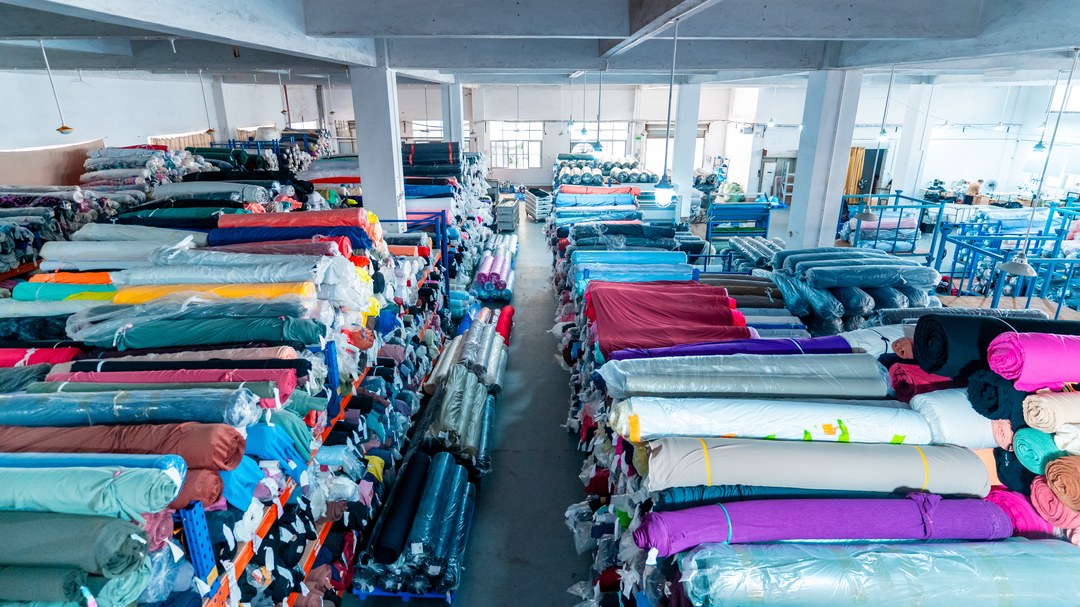
The gate that keeps fabric risk out of mass production is the same one that protects every other dimension: a signed pre-production sample made from bulk fabric. Our sampling lead time is 7–10 days (full timeline in our sportswear lead time guide), and bulk cutting starts only after the PP sample is approved. On the fabric side specifically:
- The PP sample must use bulk production fabric, never a substitute;
- It ships with a measured fabric data card — GSM, stretch, wicking, colorfastness — compared against the sealed sample from the first order;
- Every fabric spec lives in the tech pack, so nothing travels by word of mouth between batches.
10. How to Verify a Supplier's Fabric Library Is Real
"200+ fabrics" is an easy verbal claim. Verify it like an established brand:
- Ask for the physical sample book plus test reports per fabric, not an Excel list;
- Ask for delivered cases at or above your order volume, with references you can contact;
- Confirm traceable compliance documents — GRS/TC, OEKO-TEX, REACH declarations;
- Audit the fabric warehouse and work-in-progress turnover on site or by video.
Our two plants total 20,000 m² with 1,000+ staff, 500,000 pcs/month capacity, and 1,200+ brands served, with a dedicated fabric development team. Run any supplier — including us — through the framework in how to choose a sportswear manufacturer and the MOQ mechanics in how a manufacturer sets MOQs; that combination filters out the talk-only suppliers fast.
11. Pre-Order Checklist: 8 Fabric Checks
- GSM and tolerance written into the spec;
- Stretch direction (single / two-way / four-way) and recovery rate defined;
- Wicking thresholds set (AATCC 197 / 195);
- UPF requirement and test method confirmed (outdoor categories);
- Colorfastness and pilling grades at or above agreed values;
- rPET traceability path clear: GRS certificate plus TC per batch;
- REACH / PFAS finish compliance confirmed for the destination market;
- PP sample made in bulk fabric, with measured data card signed and archived.
12. Conclusion: Turn Vague Requests Into Numbers
The entire fabric partnership between an established brand and its factory reduces to one discipline: translating "comfortable, fast-drying, stretchy" into GSM, wicking height, stretch direction, and fastness grades — then freezing those numbers into the tech pack and verifying them at the PP sample. Specs locked, batches hold. Batches hold, reorders come.
Can "fast-drying" actually be tested — how do I verify a factory isn't bluffing?
Yes. Core tests: wicking height (AATCC 197, vertical strip, 30-minute liquid rise) and liquid moisture management (AATCC 195, combined grade). Write thresholds into the spec and inspect at delivery. A verbal "it dries fast" is unverifiable — ten factories will ship ten different fabrics.
Is four-way stretch worth the premium over two-way?
For yoga, compression, and high-intensity training, yes — four-way clearly outperforms on diagonal extension and shape recovery, with lower return rates. For general training and athleisure, two-way is usually sufficient. Decide per category: lock four-way with recovery ≥ 90% for high-extension lines; use two-way to control cost on general lines.
Does recycled polyester (rPET) compromise performance?
At equal construction, rPET performs essentially the same as virgin polyester — wicking and durability are unaffected. What matters is traceability: a GRS certificate plus a Transaction Certificate for every batch. Without the TC chain, EU buyers will not accept the recycled claim. We hold GRS and provide documents with orders.
How do you control shade variation between fabric batches?
Lock the same dye house and recipe, keep a swatch from every dye lot, and shade-check finished goods by batch; re-dye when ΔE exceeds the agreed threshold (typically ≤ 1.5). Require wash fastness ≥ grade 4 and rubbing ≥ grade 4. For brands with zero tolerance for "different colors in different boxes," this is a mandatory control, not an option.
How is EU fabric compliance (GRS / REACH / PFAS) guaranteed?
GRS recycled content needs an unbroken chain: certificate plus TC per batch. Restricted substances under REACH — especially PFAS used in water/oil-repellent finishes — are caught at incoming-material inspection. Choosing a factory that itself holds BSCI (Grade B), GRS, ISO 9001, and OEKO-TEX and issues compliance documents moves compliance cost upstream instead of into recalls.
Want a fabric + compliance shortlist? Tell us your category, target GSM, and export market — we will send our physical fabric sample book, the 200+ fabric list, and GRS / OEKO-TEX / REACH documentation.
Request a Fabric & Compliance Pack