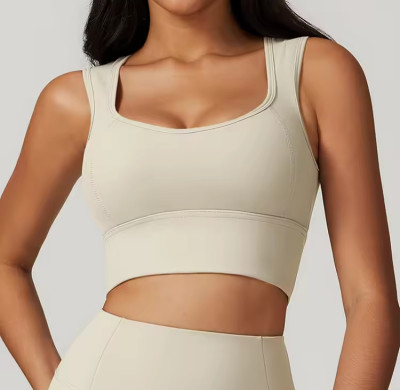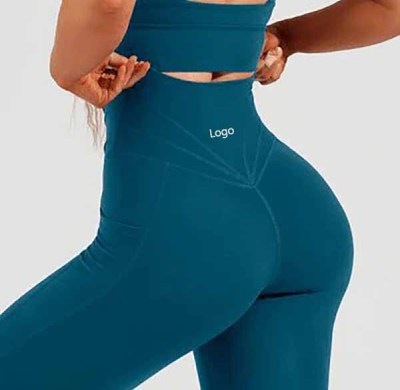


Private Label Leggings Manufacturer: From Design Sketch to Bulk
Building a Private Label Sportswear leggings line is not sending a sketch to a factory and waiting for boxes. What actually decides bulk success is a handful of specs you lock at the design stage: pattern, compression grading, opacity standard, fabric stretch and recovery. At our two plants (Dongguan + Guangxi) the tech pack goes into production the same day; first samples come out in 7–10 days. Standard MOQ is 300 pcs per style per color, with a flexible 100 pcs per style per color for smaller runs. Choosing a factory is about capacity and process (see our guide on how to choose a leggings manufacturer); the generic private-label production pipeline is laid out in our 8 production gates from tech pack to bulk. This article drops that generic line squarely onto the leggings category — adding the leggings-specific detail: squat-proof geometry, high-waist compression grading, 4-way stretch recovery. Turn a chosen factory into your own product line with the design-to-bulk leggings pipeline below.
Where private-label leggings start: a tech pack that can go straight to cutting
The first leggings bulk order that goes wrong for a brand rarely fails because the factory sewed it crooked — it fails because the tech pack was never locked before cutting. A production-grade tech pack — blocked pattern, fabric spec with composition and GSM, construction notes, and a graded size chart — lets the workshop cut the first sample without a single clarification email. A vague pack means extra sampling rounds, and every round eats a week. As a Custom Sportswear Manufacturer, we recommend writing the spec into the pack first, then asking for a quote — not the other way around.
The easiest part of a tech pack to skip is the word "measurable": beyond the line drawing, you need an actual measured size table, seam allowances, tolerances, and acceptance criteria. Our sportswear tech pack guide spells out exactly what a production file should contain — treat that checklist as your pre-kickoff self-audit, and it protects your lead time better than any expedite fee. If you are still deciding whether private label fits you and how it differs from white label, our private label activewear guide covers customization depth and MOQ logic first.
Leggings pattern design: waistband, compression grading, and squat-proof geometry
Leggings patterning is far pickier than ordinary leggings-style bottoms. The width and recovery of the high-waist band, the pressure distribution across knee and hip, and the squat-proof geometry that keeps the fabric opaque on a deep squat are hard specs you should set at the design stage. The most common miss: specifying only GSM and unit price while leaving out squat-proof and recovery rate — then the bulk goes sheer and loose after a few washes, and the return rate quietly climbs.
Writing "high-waist, medium compression, squat-proof, reinforced at knee" in your design doc beats writing "tight pants" by a mile. These are not adjectives; they are acceptance points you will check one by one during fit sampling. Our guide on how to choose a leggings manufacturer also lists squat-proof as a must-check item — because it is the number-one source of leggings returns, and it can be locked at the design end.
Sampling stage: locking the sealed sample with your Sportswear OEM
First samples at our Dongguan and Guangxi plants typically take 7–10 working days. A complete tech pack with fabric in stock keeps it at 7; changing color, changing pattern, or hunting for a substitute fabric is what pushes it to 10 or beyond. Sampling is not just a photo sample — it is a measured fit sample you try on to confirm pressure and fit, then sign off as a pre-production (PP) sealed sample. A reliable Sportswear OEM uses this stage to warn you proactively: 220gsm interlock looks heavy in a cropped cut, or a certain seam allowance will pucker under flatlock at that tension. That feedback is worth money, because it kills bulk risk while it is still cheap.
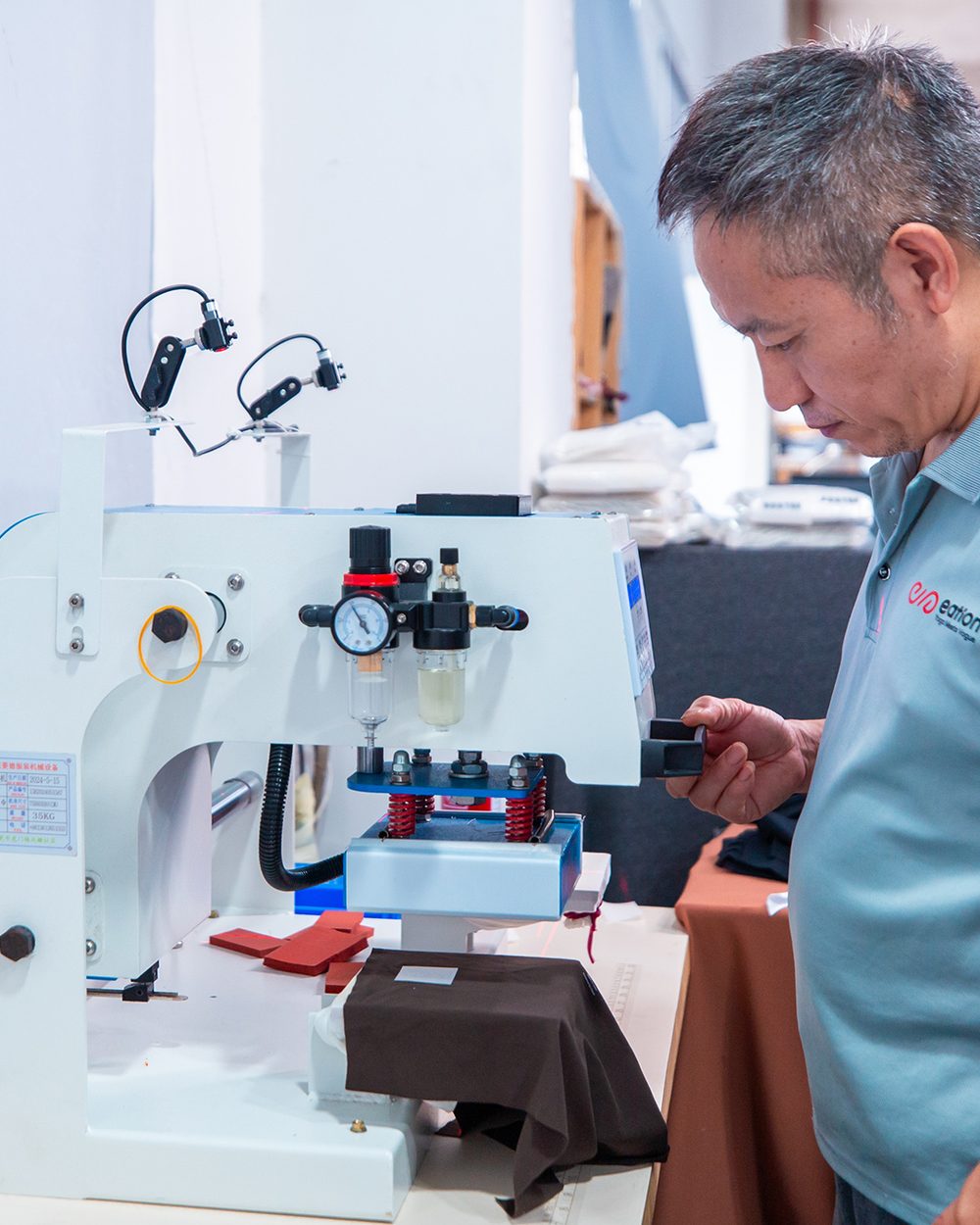
Print or panel construction also has to be settled at sampling, not after bulk is approved. The difference between sublimation and screen print is covered in our sublimation vs screen-print guide — process discipline decides bulk stability, and the earlier it is locked, the cleaner the sealed sample.
Fabric development: nylon-spandex blends and bonded seamless construction
The "bare-skin" feel of leggings comes from high-stretch blends, not from being as thin as possible. The nylon + spandex ratio decides 4-way stretch and recovery; GSM decides hand-feel and coverage. Pushing GSM down just to chase "light" drops recovery first, then knees and elbows bag, then it sheers after washing. A clear fabric development spec keeps every bulk batch's stretch consistent instead of leaving it to luck. We run flatlock 4-needle 6-thread and bonded seamless (film lamination, no visible stitches, smooth against skin) for custom leggings; note that our "seamless" is bonded seamless, not Santoni circular-knit one-piece seamless knit — the two use completely different equipment and cost, so ask them as separate questions when sourcing.
Composition and GSM stability rests on batch consistency control. We write composition, GSM, and recovery tolerance into the process sheet before fabric is laid out, so the first dye lot is not fine while the reorders drift. That control is also the groundwork that lets size grading land stably later.
Size grading: why grading tolerance decides leggings fit
Leggings are more size-sensitive than tops. Once grading tolerance is inconsistent, leg circumference and inseam from S to XL drift quietly — the size that fit at fitting is fine, but bulk batches vary, and the customer cannot say what is wrong. We build grading into the marker plan before fabric is spread, so cross-size fit stays stable instead of being reworked on the line.
Our apparel size grading and fit guide explains how to control batch consistency; it is also a hard gate when choosing a factory, as our leggings manufacturer guide notes — a factory that cannot even explain grading tolerance will trip you up on sizing once it scales.
From sealed sample to bulk: how a Clothing Factory scales your design
Once the PP sealed sample is signed, bulk lead time hinges mainly on two things: total volume, and how many color/style or grading layers you need. A standard run schedules like this: first sample 7–10 days, bulk (300–3,000 pcs) about 25–35 days, backed by 500,000 pcs/month dual-plant capacity. As a Clothing Factory, we split production across Dongguan and Guangxi, so your order is not parked at the end of the queue in peak season — a cutting or sewing line can shift between the two sites within days.
Our standard MOQ is 300 pcs per style per color — the minimum we recommend, because it lets a line schedule economically and lets you test a style in small batches. A flexible 100 pcs per style per color suits market testing or a first run; we do not recommend writing 100 as the norm, nor quoting other factories' MOQ ranges. Every bulk batch is inspected to AQL 1.5 (major defects) before it leaves — that is part of the window, not an add-on. The two plants total 20,000 m² and run BSCI- and GRS-certified lines, so 500,000 pcs/month lets a 3,000-pc order sit comfortably inside 25–35 days. The full Apparel Production Timeline is in our production lead-time guide; the math behind MOQ is in our manufacturer's view of MOQ.
The five most common design-to-bulk pitfalls (and how to avoid them)
Most late or returned leggings orders are not the factory's fault — they are a spec that was never locked at the design stage. These five are the ones we see most, and all sit on the brand side:
- Tech pack gives only a render, no measurable pattern or tolerance — add pattern, seam allowance, and acceptance criteria before cutting; don't let the workshop guess.
- Skips squat-proof and recovery rate — write them into the tech pack acceptance criteria, not a verbal "make it opaque."
- Assumes MOQ can drop to zero — sub-300 runs cannot slot efficiently into scheduling; understand the 300/100 floor before promising small runs to a channel.
- Changes Pantone or grading spec after sealing — that is a re-mark, so approve once, and only once.
- Adds GRS or OEKO-TEX after PO — that pushes us back to fabric sourcing; write compliance into the tech pack, don't bolt it on later.
What is the MOQ for private-label leggings?
Standard MOQ is 300 pcs per style per color — our recommended minimum, since it lets the line schedule economically and lets you test one style in small batches. A flexible 100 pcs per style per color suits market testing or a first run. We do not recommend writing 100 as the norm, nor quoting other factories' MOQ ranges.
How long does sampling take, and what do you get?
With a locked tech pack and fabric in stock, first samples typically take 7–10 working days. We deliver a measured fit sample you try on to confirm pressure and fit, then sign off as a PP sealed sample — the sample you sign is the reference for bulk grading.
Can you do bonded seamless leggings and custom development?
Yes. We run flatlock 4-needle 6-thread and bonded seamless (film lamination, no visible stitches, smooth against skin), and support full custom development from moodboard to tech pack to PP sample. Note our "seamless" is bonded seamless, not Santoni circular-knit one-piece seamless knit; if you truly need the latter, confirm the supplier actually has that circular-knit capacity, because equipment, yield, and cost are in a different league.
How do I calculate bulk lead time without missing the season?
Factory days are only half the calendar. We ship FOB Shenzhen, so ocean or air transit stacks on top of the production window, not instead of it. Put first-sample 7–10 days and bulk 25–35 days into your launch plan first, then add in-transit days — don't book containers against a "hoped-for factory date."